Search
MINISTRY OF EDUCATION
OF THE REPUBLIC OF BELARUS

Education for the future of the country
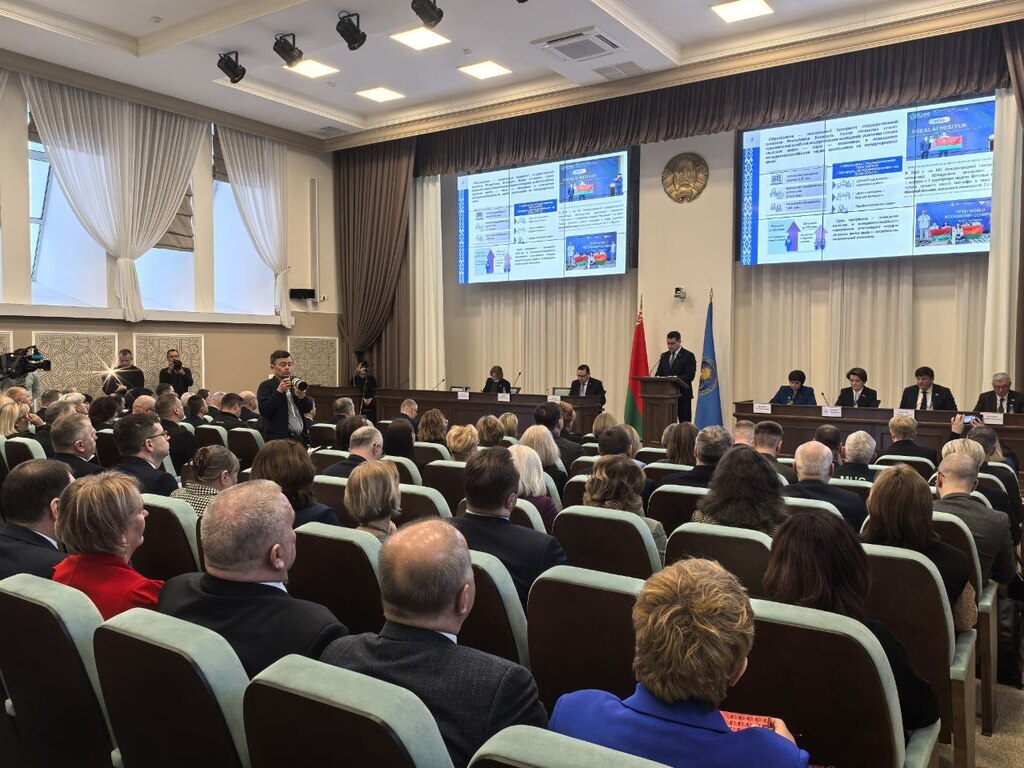
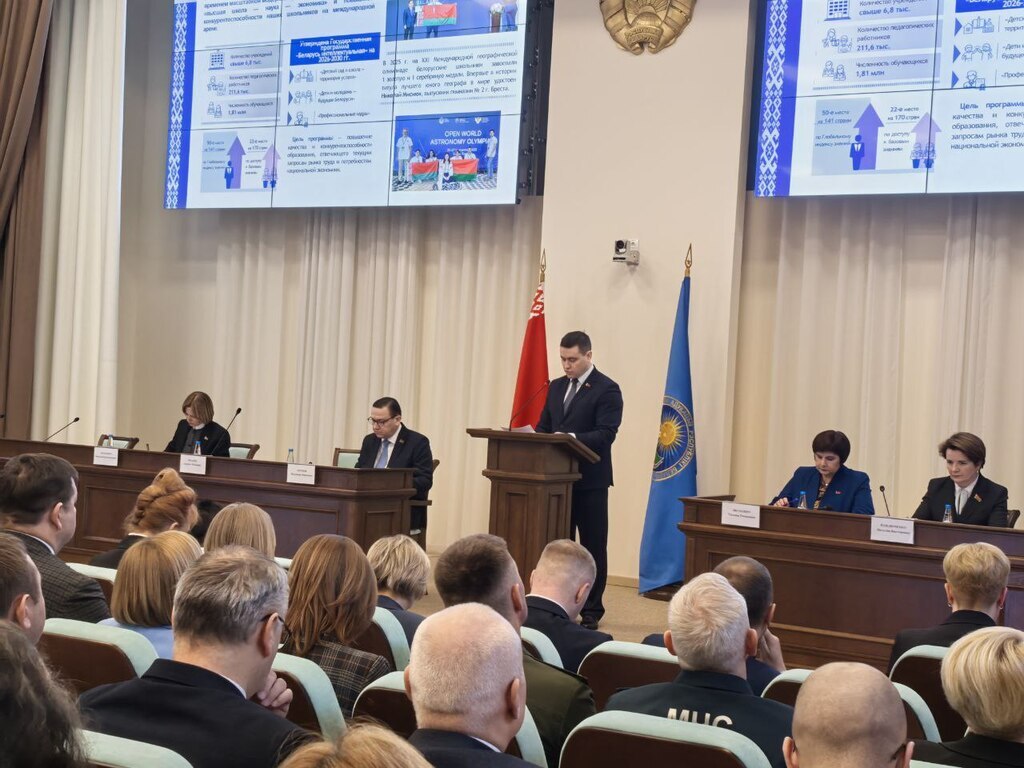
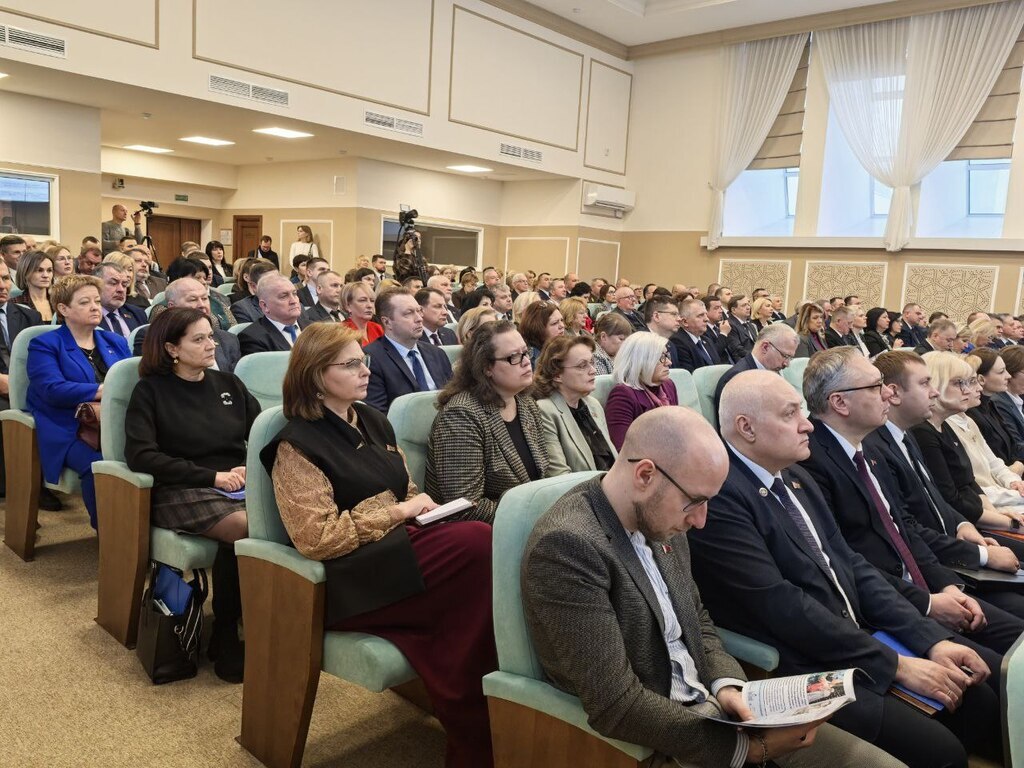
The final board meeting of the Ministry of Education of Belarus took place today, 10 February. Participants reviewed the sector's performance in the past year—the final year in the implementation of the State Program "Education and Youth Policy" for 2021–2025—and identified priority objectives for 2026 as part of the new state program "Intellectual Belarus."
Education Minister Andrei Ivanets delivered the keynote address, "On the Results of the Ministry of Education's Work in 2025 and the Main Objectives for 2026." As emphasized in the address, the five-year objectives have been fully achieved, and the education system is demonstrating sustainable development and high social effectiveness.
The Minister noted the particular significance of the past year: "In the education system, a number of events in 2025 were marked by the prefix 'firsts.'" Work with gifted schoolchildren has reached a new level, and the in-person and remote Olympiad, which is held year-round, was held in a teacher-student format for the first time this year. This is crucial when we involve teachers in the process, so that they too can develop and impart high-level knowledge to the students. At the vocational education level, at the instruction of the Head of State, we have begun creating training and production workshops at enterprises for the first time. Sixty-five such workshops are already operational—this is just the beginning of the work."
Key achievements for 2025:
✓ Preschool education: the share of children aged 1–6 receiving preschool education was 90.1%, with a target of at least 85%.
✓ General secondary education:
– 50% of students are enrolled in technical and technological classes;
– 100% of students in basic grades 10–11 are enrolled in vocational training;
– 84% of general secondary education institutions are equipped with modern teaching equipment, while the target is at least 80%;
– Almost 100% of children with physical and/or speech disabilities are provided with special education and correctional pedagogical support.
✓ Vocational education: 53 competency centers have been established, training over 30,000 students annually; 65 training and production workshops have been opened at organizations that contract with personnel.
✓ Higher education: 15 universities are among the top 5,000 universities in the world according to international rankings.
✓ International achievements: Belarusian schoolchildren have won 74 medals of various denominations at international subject Olympiads, including, for the first time in history, an absolute victory at the International Geography Olympiad.
✓ Youth Outreach: By 2025, over 120,000 young people were employed, approximately 400,000 children received health care, and juvenile delinquency was reduced by 26%.
✓ Infrastructure Development: Over the past five years, 60 kindergartens and 28 schools were built; over 1,000 classrooms for vocational training, biology, and natural sciences and mathematics, as well as 376 buses, were equipped with all necessary equipment.
✓ Innovations of the year: the online school and educational portal "LEARNING TOGETHER.BEL" for teachers were launched; 16 student design bureaus were created at 13 universities; the first National Rectors' School was launched.
Priority Tasks for 2026:
• Ensuring accessibility of preschool education for young children (up to 2 years old) based on an analysis of actual needs across the regions.
• Conducting the second National Survey of Education Quality, focusing on students' functional literacy.
• Implementing the Program for the Development of Vocational, Technical, and Secondary Specialized Education for 2026–2028, strengthening its practice-oriented nature (target: 35%), making educational programs more flexible, and upgrading the facilities and equipment.
• Modernizing engineering education: opening competence centers at BSU, BSTU, the Belarusian-Russian University, and Sukhoi State Technical University; developing dual education and employing senior students in their field.
• Strengthening international cooperation: diversifying the export of educational services, expanding joint educational programs, and hosting the 10th Meeting of SCO Education Ministers and the 9th Congress of CIS Teachers in Belarus.
• Reorganization of youth work by categories: schoolchildren (career guidance, work education), students (startups, research projects, volunteering), and working youth (professional development).
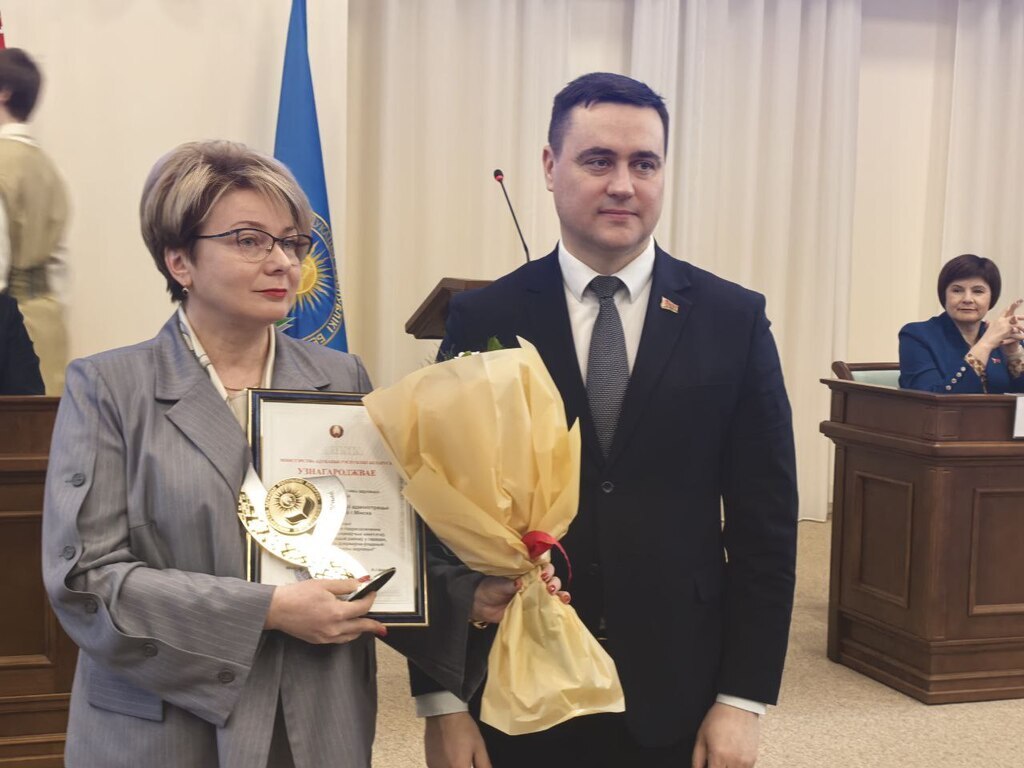
The meeting concluded with a ceremony awarding the best institutions and teams in the industry with certificates of honor and the traveling symbol of quality "Lepshy ў adukatsyі."